
Cambridge: In the footsteps of Kings, Scholars and Dreamers
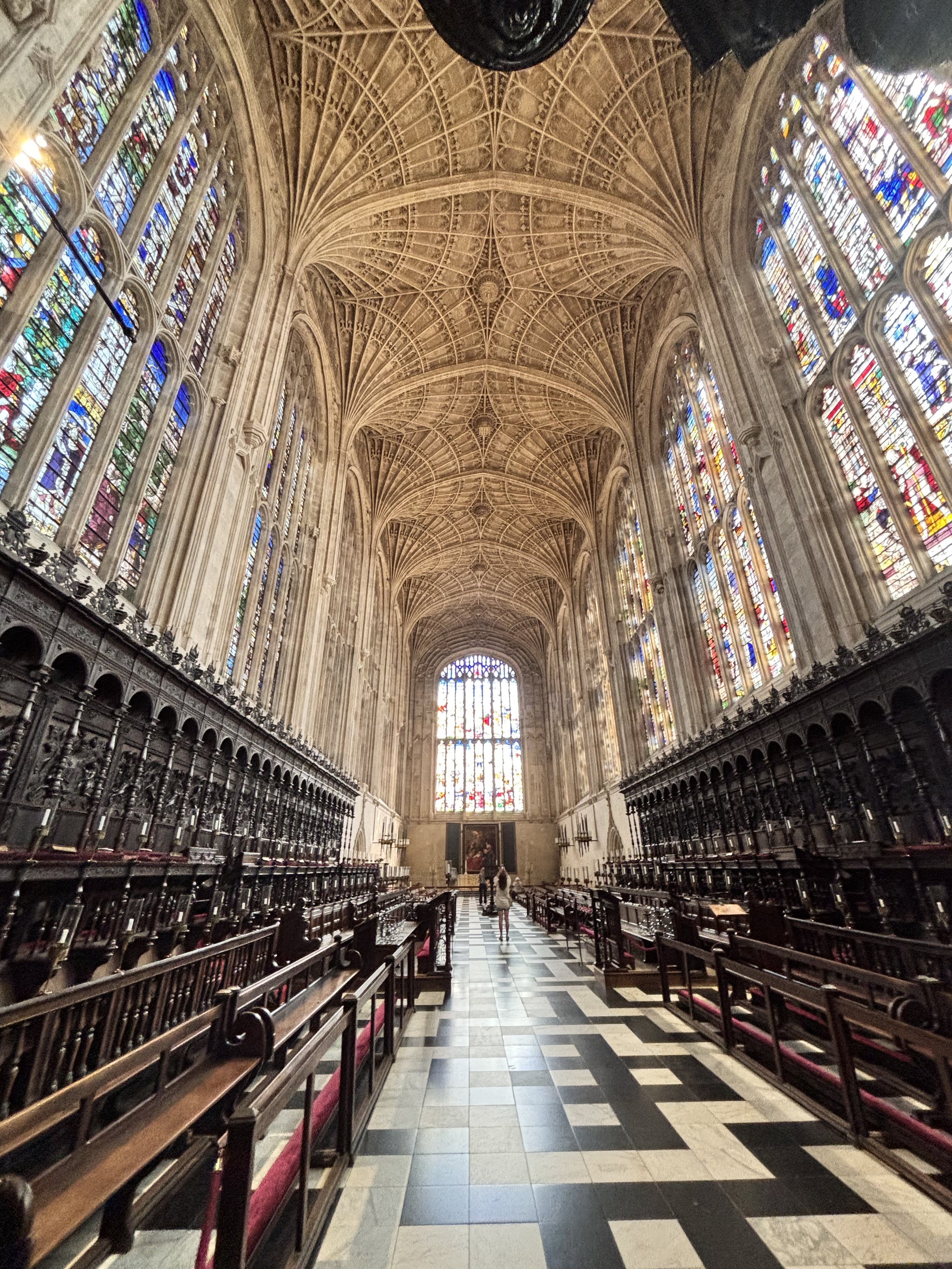
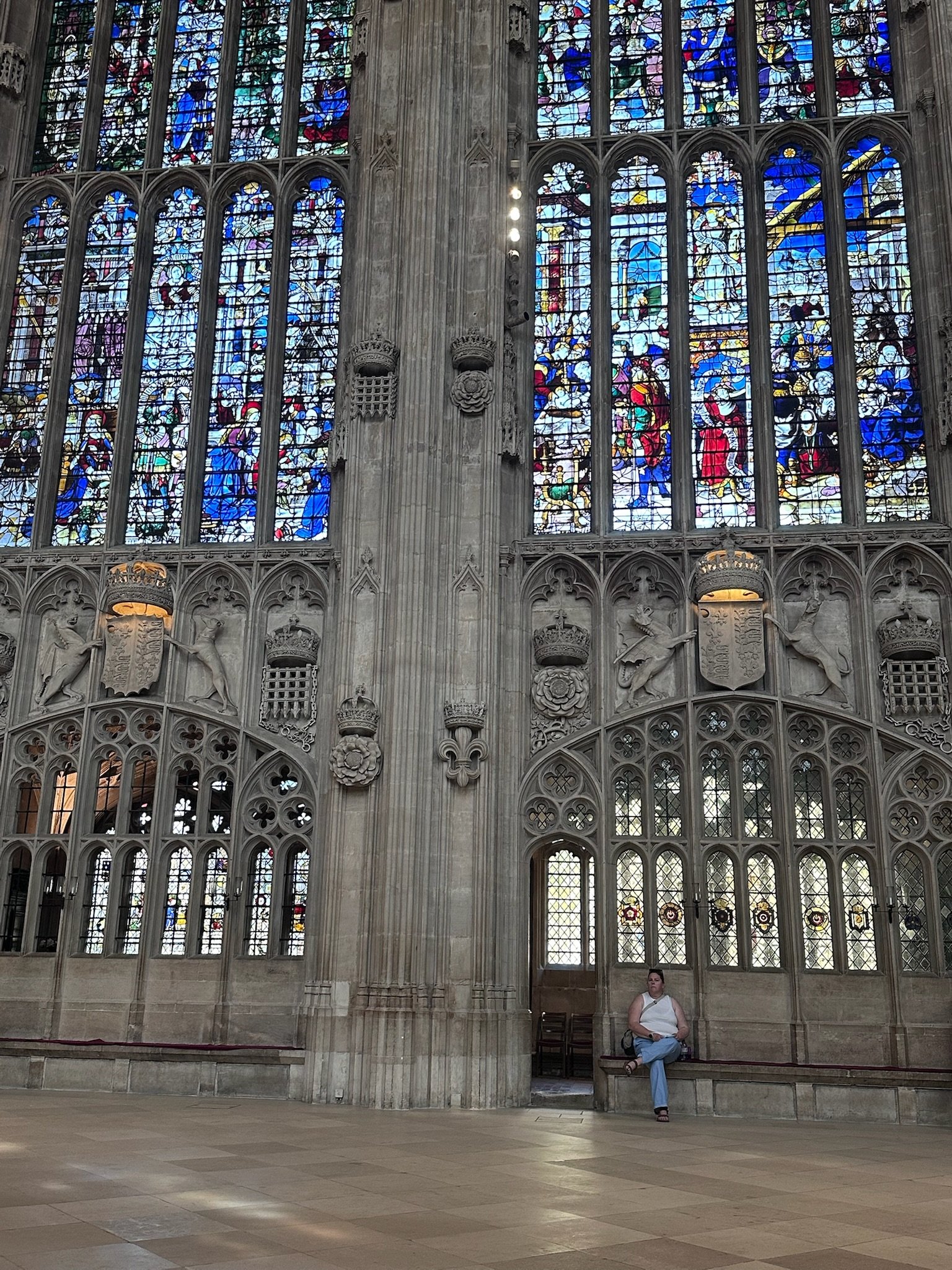
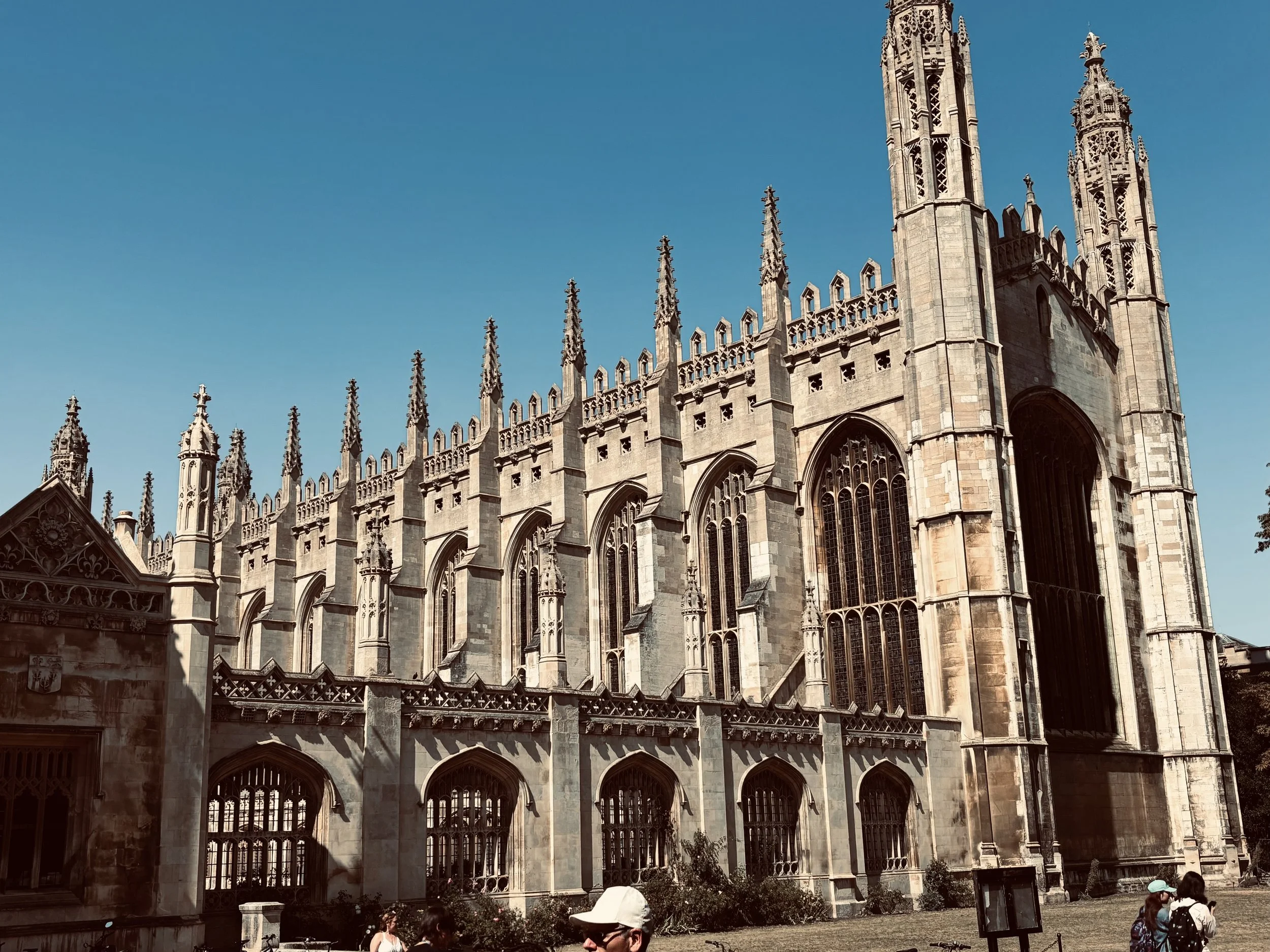
King College Chapel, Cambridge
I never thought I would be the sort of person who could become enamored with a university town. Yet Cambridge isn’t simply a university town. It’s a university town on steroids.
Even if you never step foot inside a single college, Cambridge has a way of capturing your imagination. The magnificent architecture, centuries of prestige, punters drifting lazily along the River Cam, and the endless university merchandise stores all combine to create an atmosphere unlike anywhere else I’ve experienced in England.
There is an energy here that feels both youthful and ancient. Even during the summer holidays, it’s easy to imagine students hurry between classes while centuries-old stone buildings watch on, unchanged. History is not confined to museums in Cambridge—it spills onto the streets, into the courtyards, and along the riverbanks. For visitors, it makes for an idyllic day out.
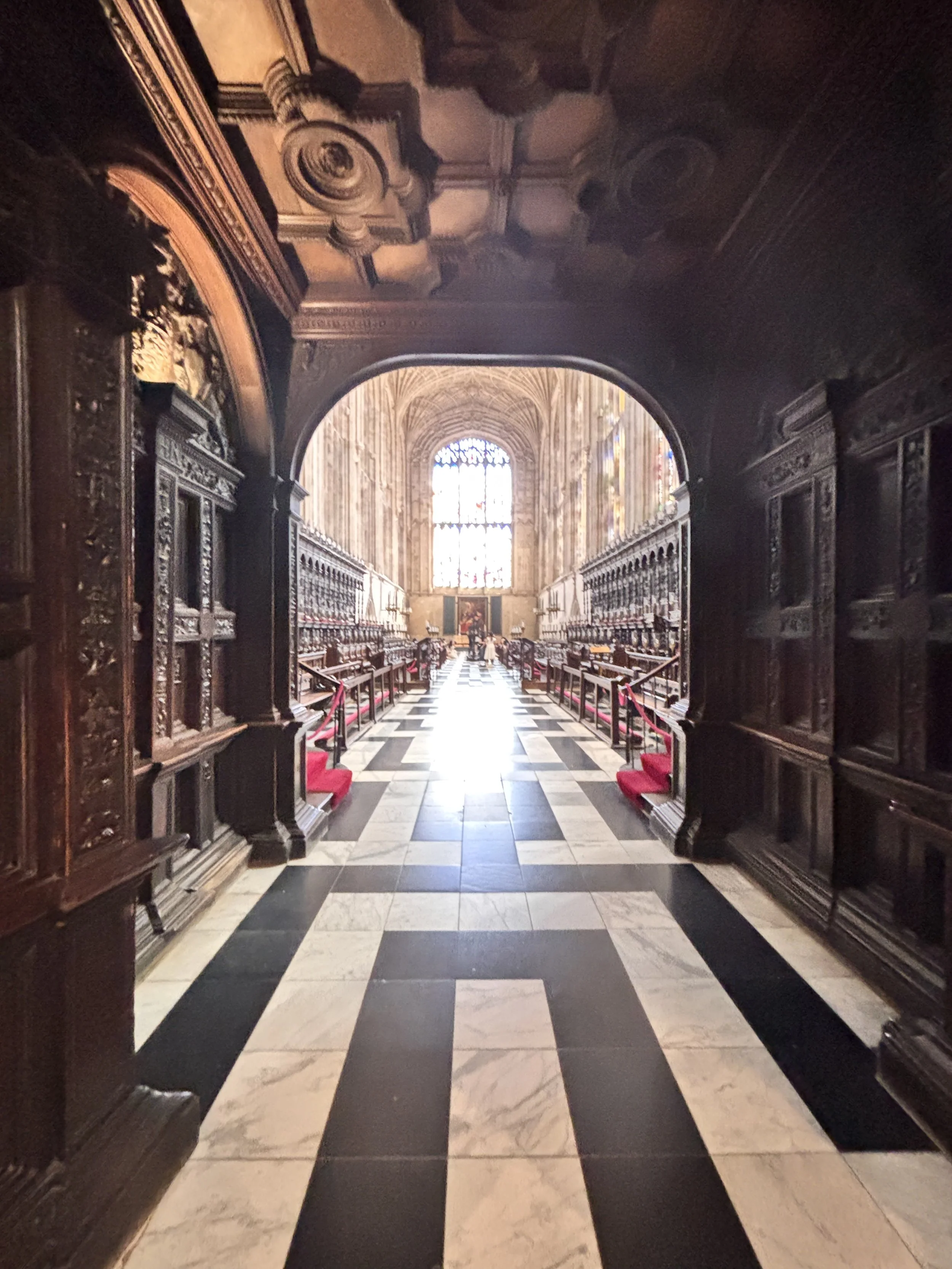
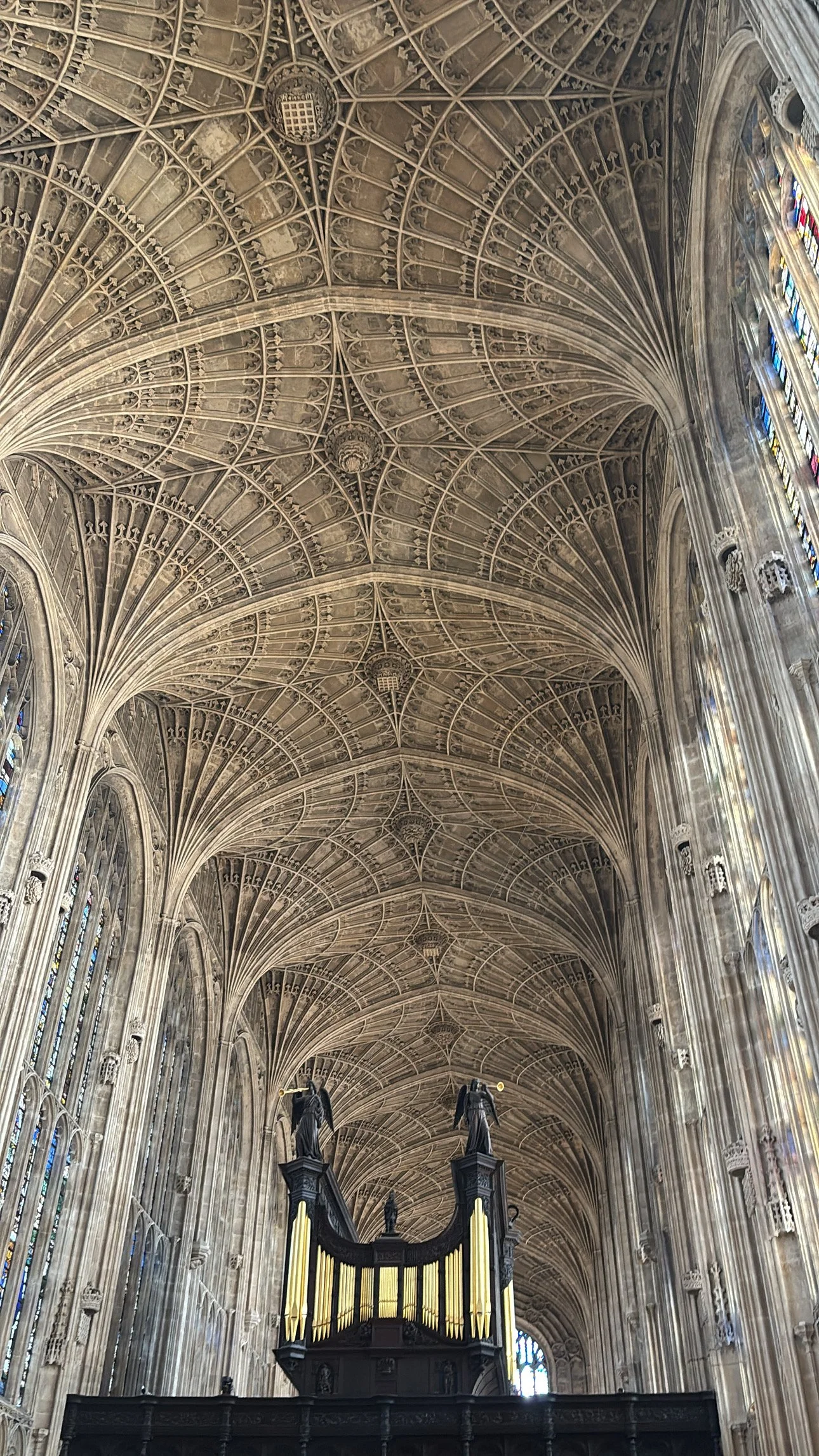
Of all the places in Cambridge, none left a greater impression on me than King’s College Chapel. Approaching the chapel, its towering Gothic architecture dominates the skyline. The honey-coloured stone rises skyward, intricate pinnacles reaching towards the clouds. It is impressive from the outside.
Inside, however, is something else entirely.
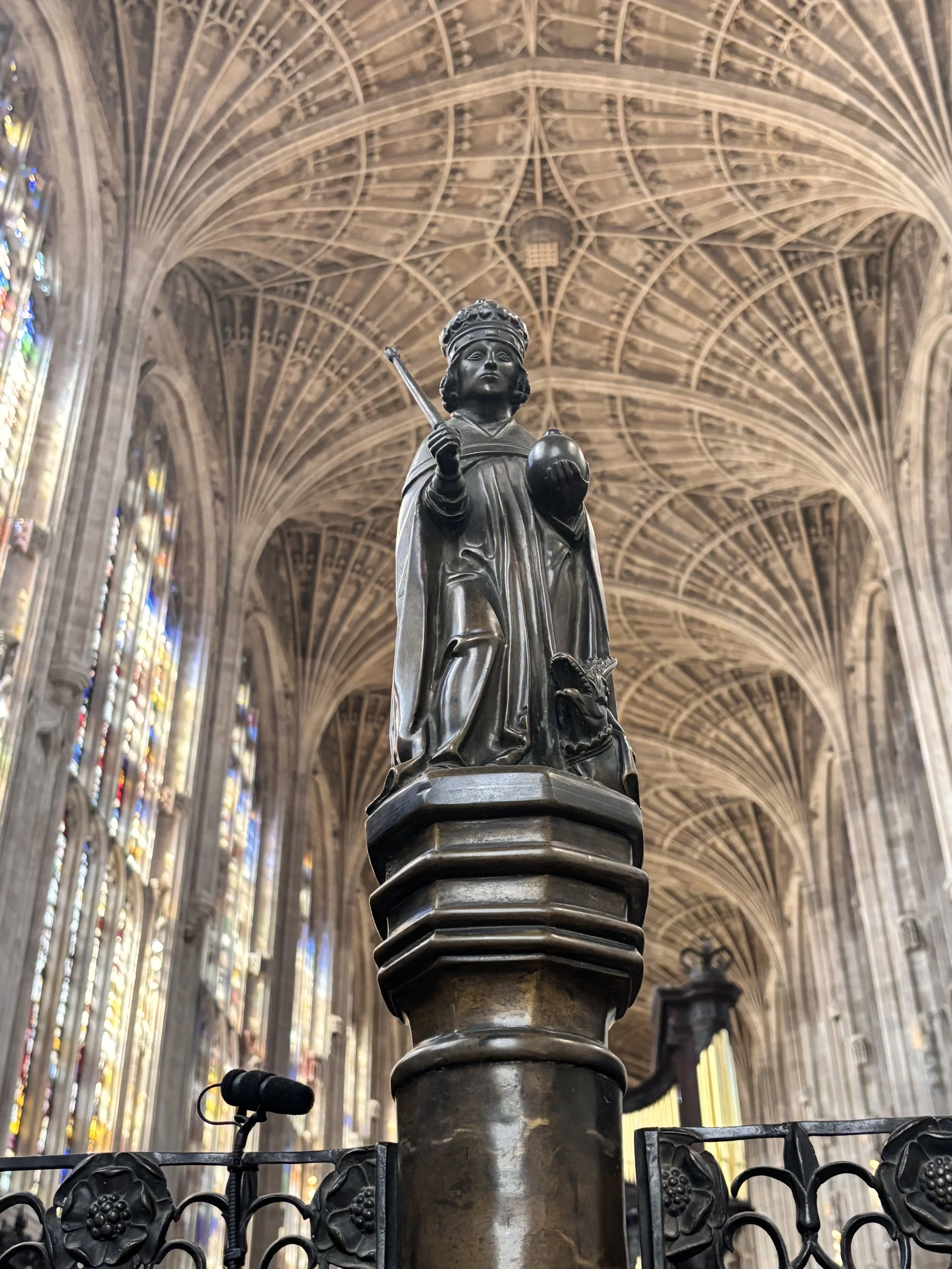
Crossing through the doorway feels like stepping across centuries. The sheer scale of the chapel is breathtaking. Your eyes instinctively lift upwards toward the famous fan-vaulted ceiling, one of the finest examples of medieval craftsmanship in the world. Delicate stone ribs spread across the ceiling like the branches of an ancient tree, each one carved with extraordinary precision. It is difficult to comprehend how such a structure was built hundreds of years ago without modern machinery.
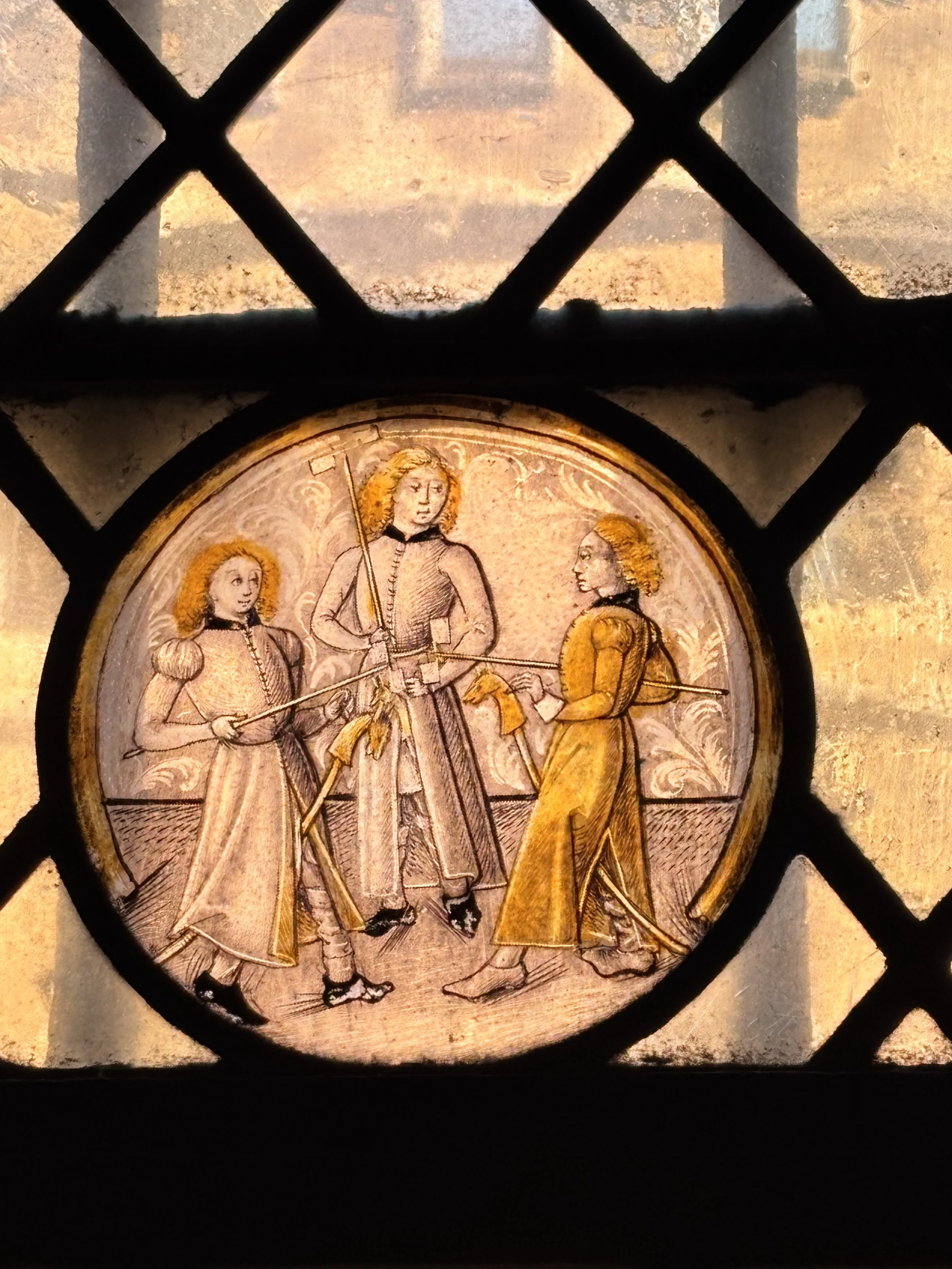
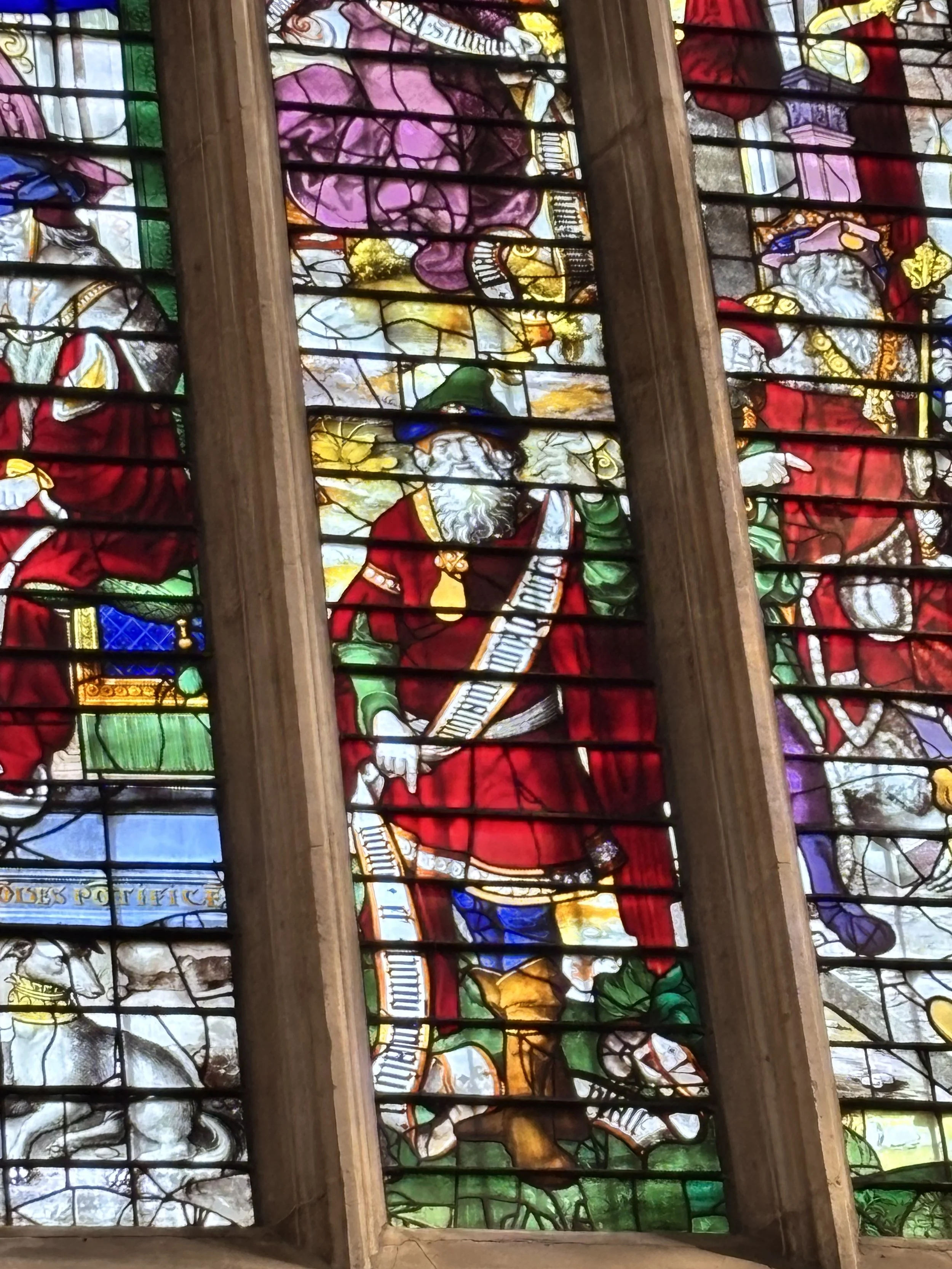
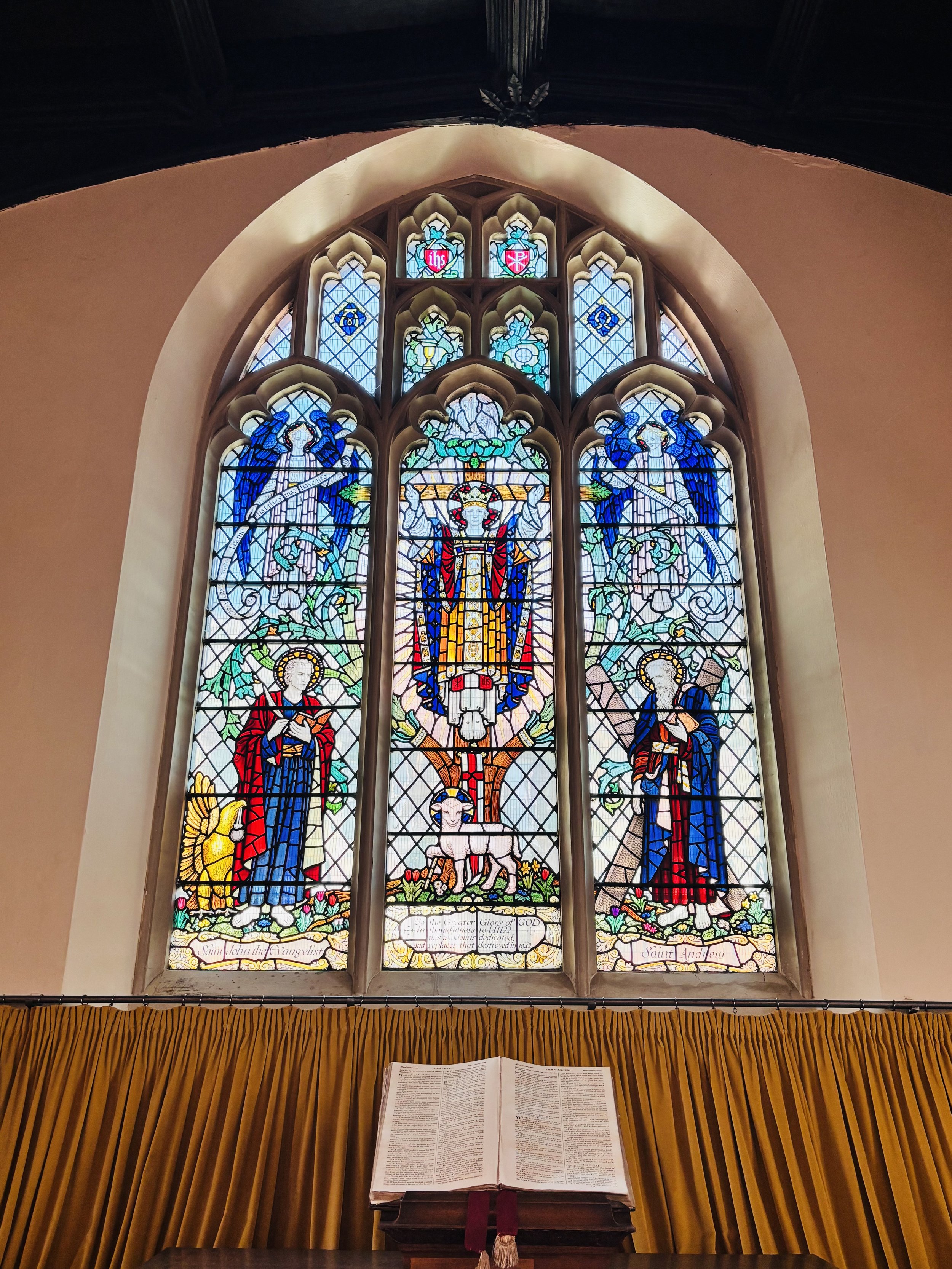
Sunlight streamed through the vast stained-glass windows, casting soft colours across the stone floor. Reds, blues and golds danced across the walls as the morning light shifted. Every window told a story. Biblical scenes, saints and symbols filled the glass, each panel painstakingly crafted by artisans whose names have long been forgotten. The chapel feels alive with history.
The intricate wooden choir stalls reveal details that can easily be missed. Carvings, symbols and decorative flourishes reward those willing to slow down and look closely. Hidden amongst the craftsmanship are the intertwined initials of King Henry VIII and Anne Boleyn, a small reminder of the people whose decisions shaped England’s history and of whom we have learned about through history.
Sitting inside, I couldn’t help but wonder. Did kings and queens sit where I was sitting? Did they walk these same aisles? Did they gaze upwards in wonder at these same windows? What sermons echoed through this vast space? What concerns occupied the minds of those who gathered here hundreds of years ago? Generation after generation has passed through these doors. Monarchs, scholars, soldiers, dignitaries and students. The world outside has changed dramatically, yet this extraordinary building remains.
I could have sat beneath that magnificent ceiling for hours simply absorbing it all.
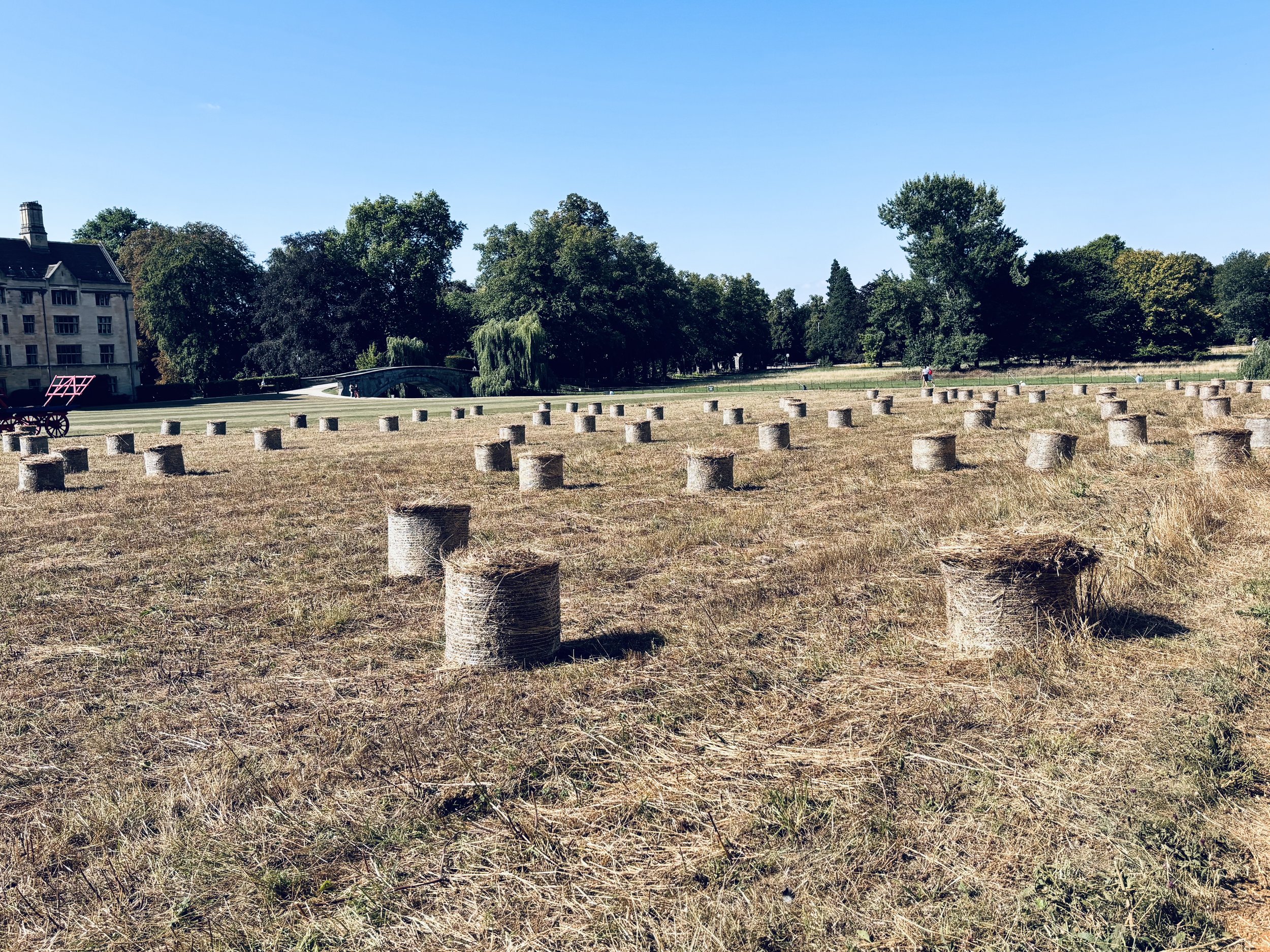
Outside, the manicured lawns appeared impossibly perfect. The grass looked more like velvet than turf, protected carefully by barriers, security staff and stern warnings against wandering where you shouldn’t. Every blade seemed perfectly placed. Beyond the chapel, however, something unexpectedly familiar caught my eye. Freshly baled hay sat in a nearby paddock. The bales looked miniature compared to those I was used to seeing at home. Perhaps they really were smaller, or perhaps everything in England simply feels scaled differently from Australia.
Either way, they immediately transported me back to the farm. Back to childhood days perched on the wheel hub of our faithful old red Massey Ferguson tractor while feeding sheep with Dad or my brothers. Back to long afternoons stacking bales by myself, building neat rows in the paddock or placing them into storage near the sheep yards. Thousands of kilometres from home, in one of England’s most prestigious academic settings, a simple hay bale unexpectedly connected two very different worlds.
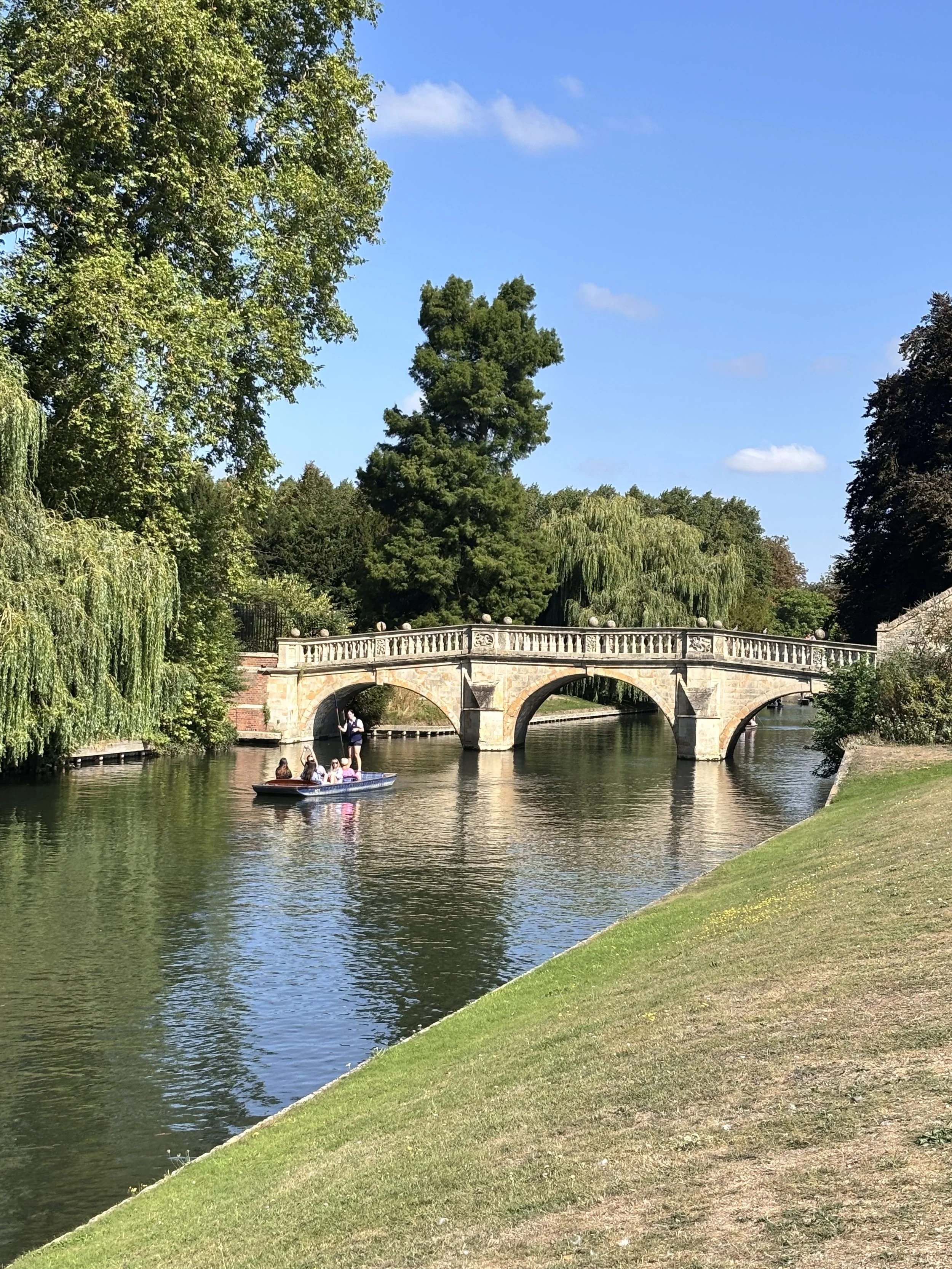
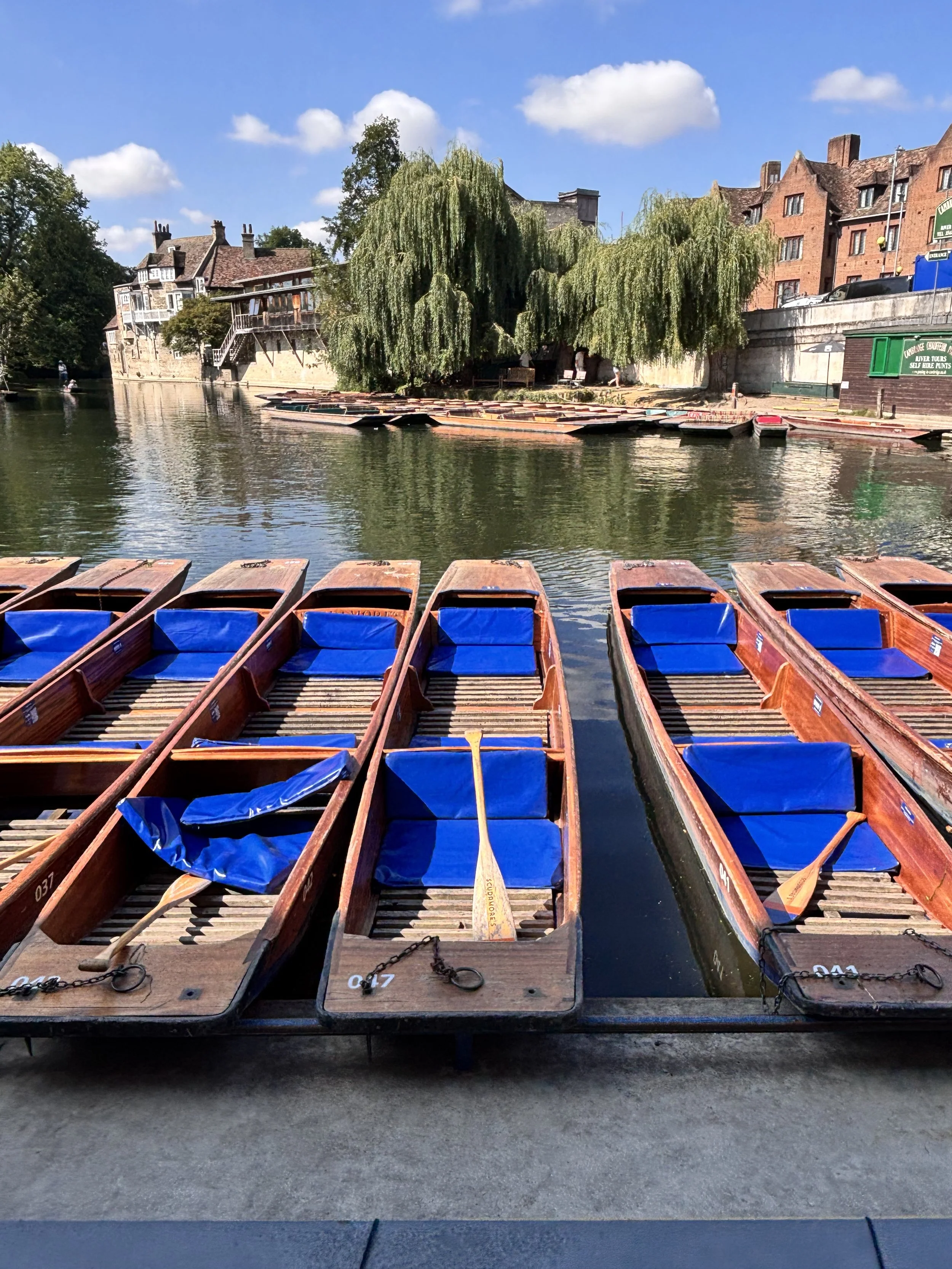
Beyond the college lawns, the River Cam provides a completely different perspective of Cambridge. Punts drift silently along the water, their passengers reclining comfortably while guides steer from the stern. The boats glide beneath bridges and past college gardens with an effortless elegance that feels quintessentially English. From a distance, the scene appears almost timeless. The river moved slowly beneath the summer sun while laughter drifted across the water. It was peaceful, unhurried and wonderfully relaxed.
We wandered past the rear of Queens’ College and past the famous Mathematical Bridge, weaving our way through the crowds of day visitors who had recently arrived, disembarking from their coach and heading straight for the rows of waiting punts. The punt chauffeurs were easy to identify in their blue-and-white striped shirts, dark shorts or trousers. Some called out, enthusiastically promoting their tours and trying to fill the next available boat.
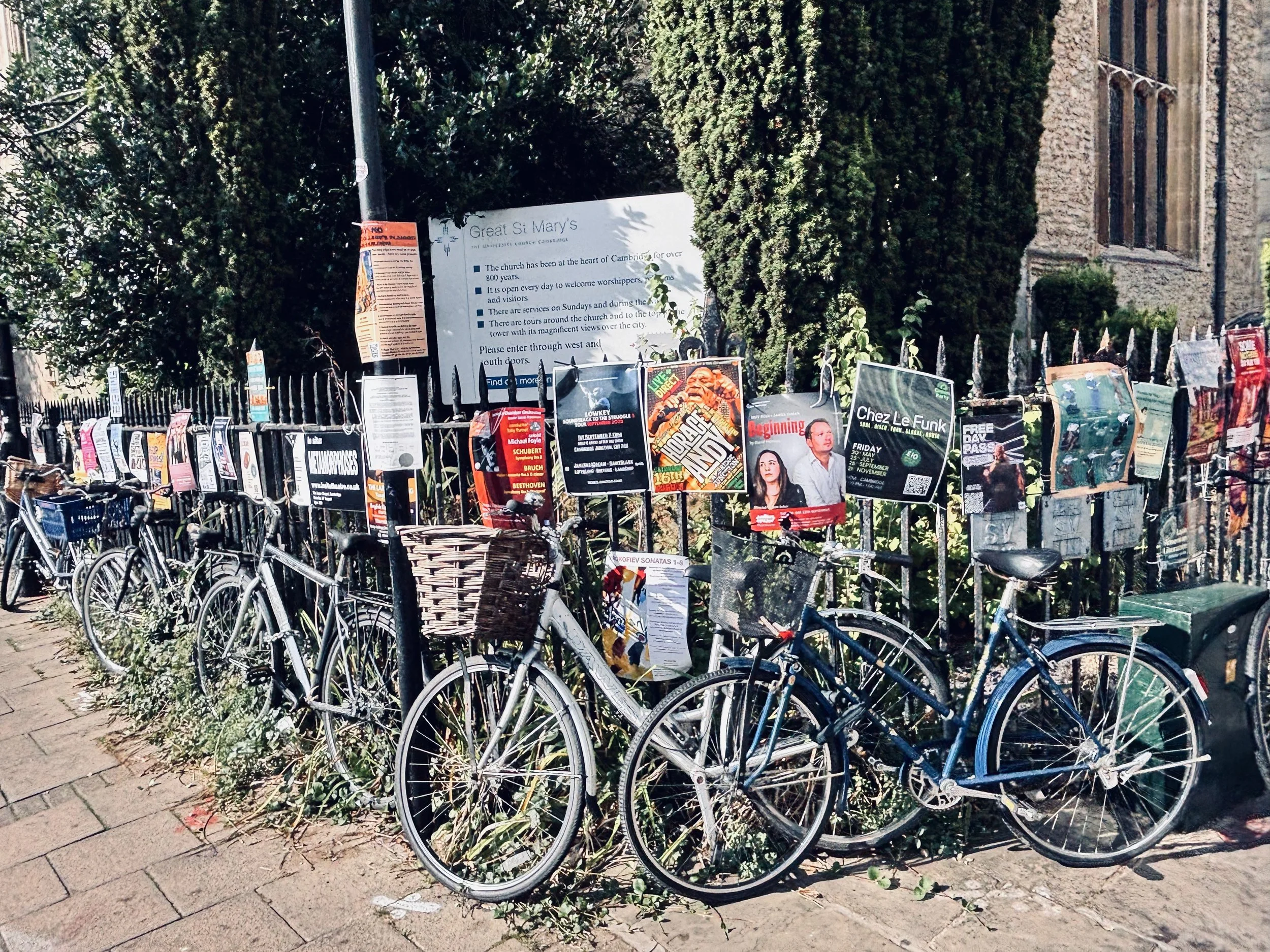
Cambridge Street Scene
The atmosphere was lively without feeling overwhelming.
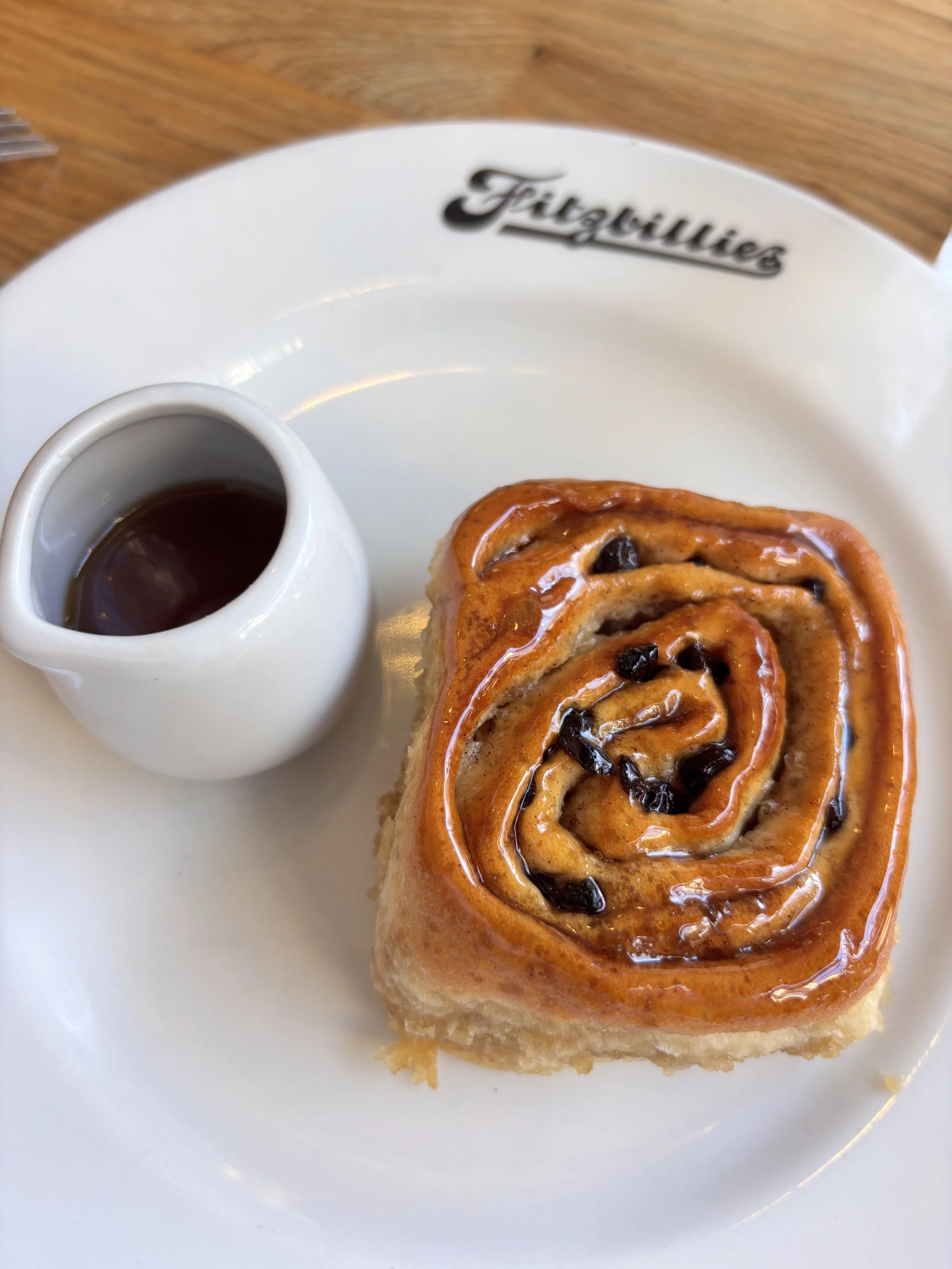
No visit to Cambridge would be complete without a stop at Fitzbillies - or a chance to stop for a sweet treat. Drawn by its reputation, we joined the steady stream of visitors making their pilgrimage to what many consider Cambridge’s most famous bakery. For me, there was only one choice - The legendary Chelsea Bun.
Served warm and gloriously sticky, the bun arrived accompanied by a small jug of syrup, allowing you to pour on as much sweetness as your conscience would allow. It was indulgent, messy and entirely worth it.
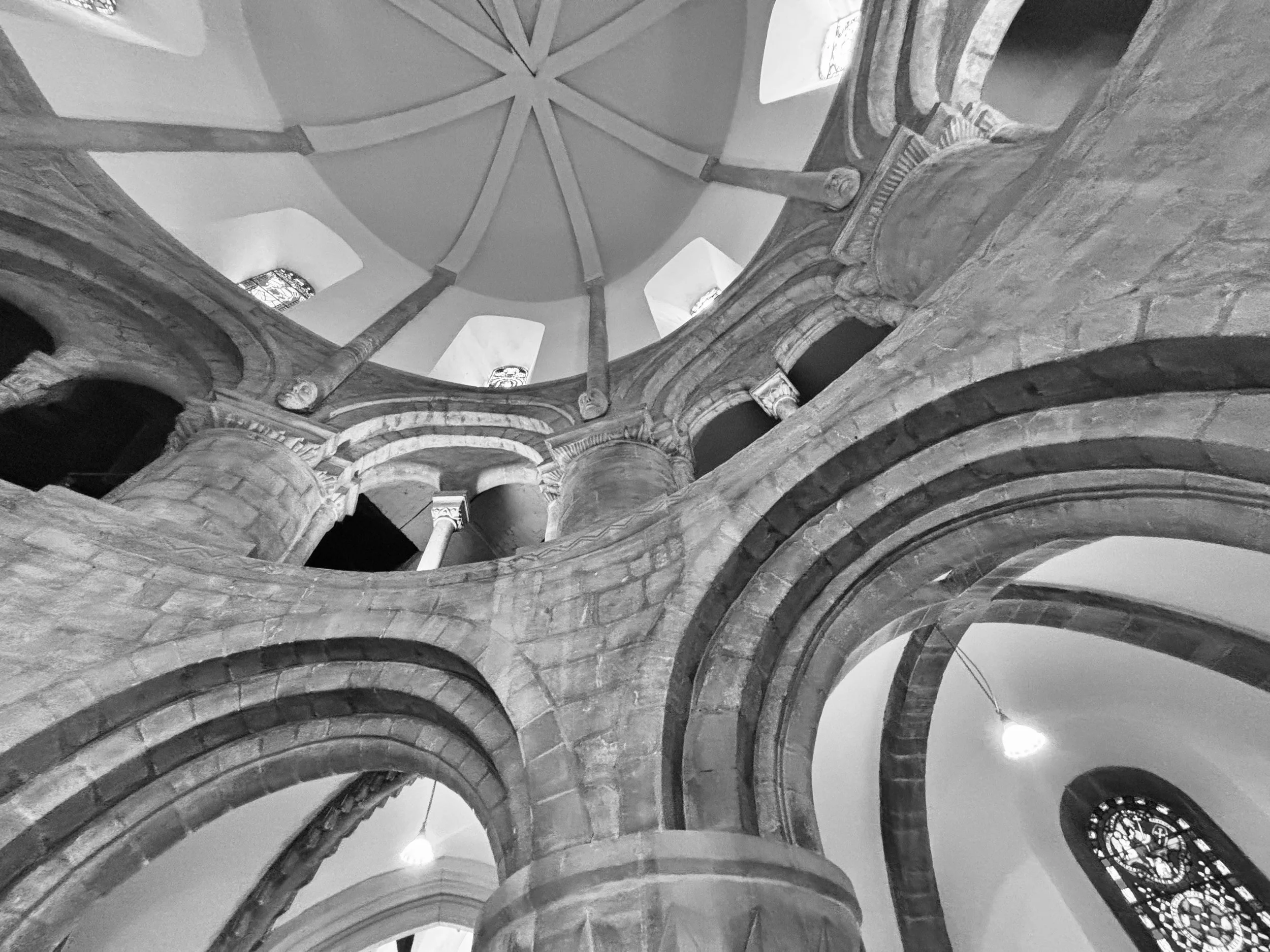
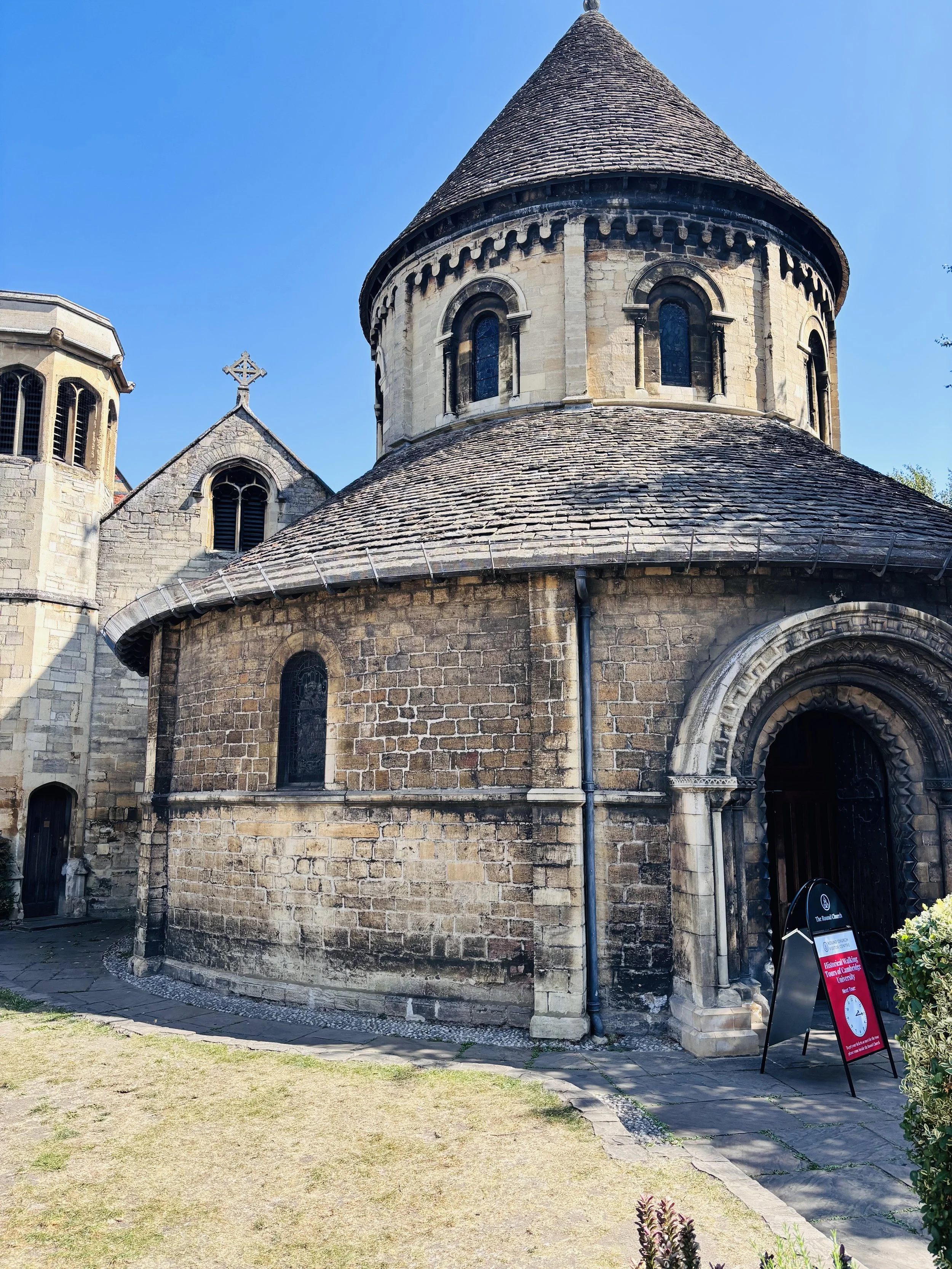
While King’s College Chapel overwhelms with grandeur, the Round Church offers something entirely different. Dating back to the 12th century, it is one of only a handful of round churches in England. Stepping inside feels surprisingly intimate. The circular design creates a sense of enclosure and calm. There are no soaring Gothic ceilings competing for attention, no elaborate displays of wealth or power. Instead, simplicity becomes its greatest strength.
Soft light filters through narrow windows, illuminating the pale stone walls. The curved architecture naturally draws your gaze around the room, creating a feeling of unity and balance. The atmosphere is contemplative.
Quiet.
Reflective.
Where King’s Chapel inspires awe, the Round Church invites stillness. It is the kind of place where you instinctively lower your voice, not because anyone tells you to, but because the space itself seems to ask for it.
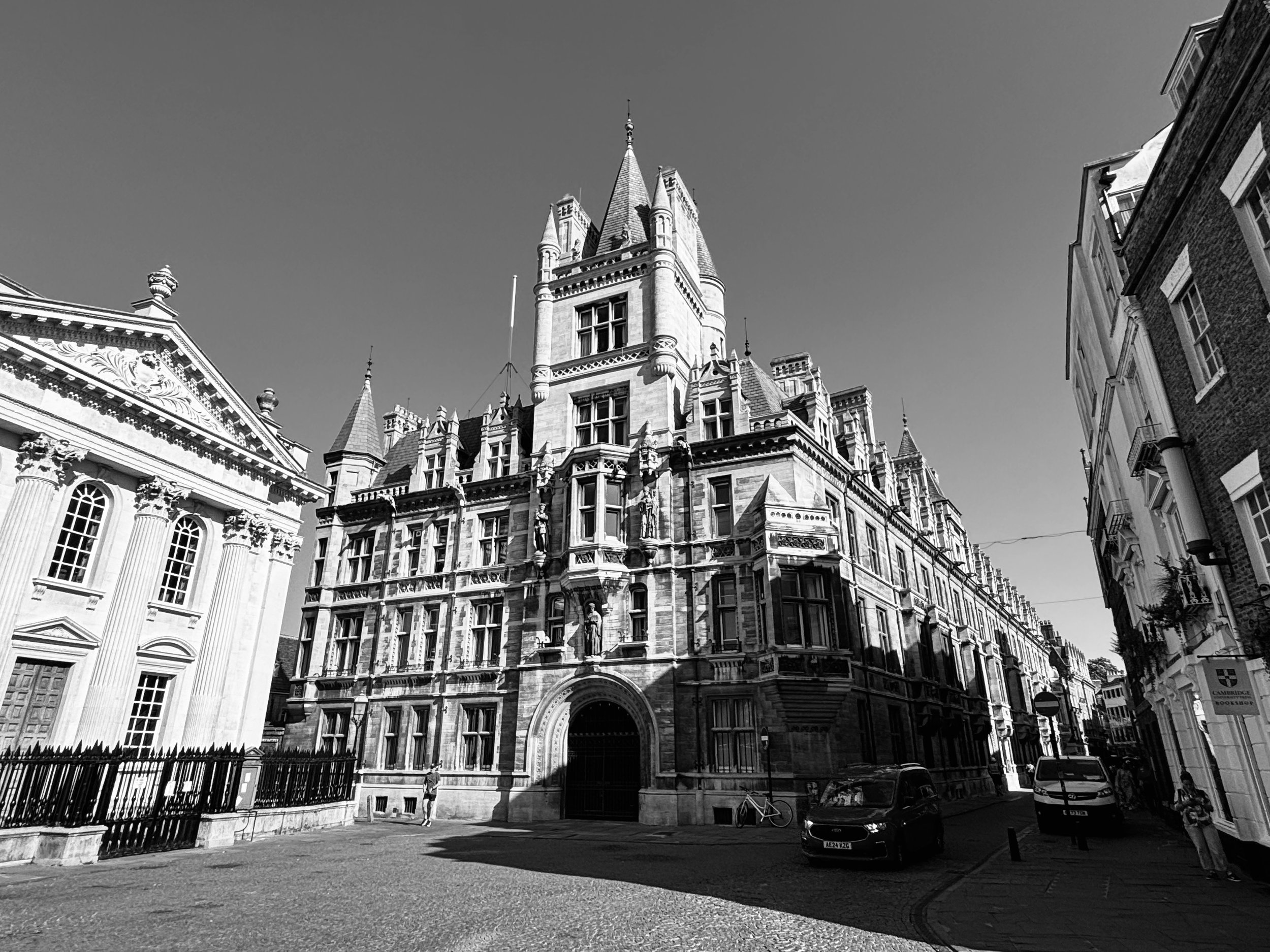
Much of Cambridge’s charm lies not in any single attraction but in simply wandering. The streets are filled with names that have become synonymous with English history and academic excellence. St John’s Street flows into Trinity Street, where some of the university’s most iconic buildings stand proudly behind ancient stone walls. Towering plane trees create a canopy overhead, casting dappled shadows across the famous gates of Trinity College and nearby stands a descendant of Sir Isaac Newton’s legendary apple tree. Whether fact or folklore, it serves as a reminder that some of the world’s most influential ideas were born within these college walls.
Cambridge somehow manages to feel both scholarly and accessible. Prestigious, yet welcoming. Historic, yet vibrant.
One of my favourite discoveries came inside St Michael’s Church. Within the historic building sits Michaelhouse Café, a social enterprise operating within the church itself.
The combination is unexpectedly charming. Visitors sip coffee beneath centuries-old stone walls while sunlight streams through stained-glass windows overhead. And the sausage roll? Possibly the best I ate during my time in England. Perhaps knowing that your purchase supports a social cause makes it taste even better. Or perhaps it was simply an exceptionally good sausage roll. Either way, I wasn’t complaining.
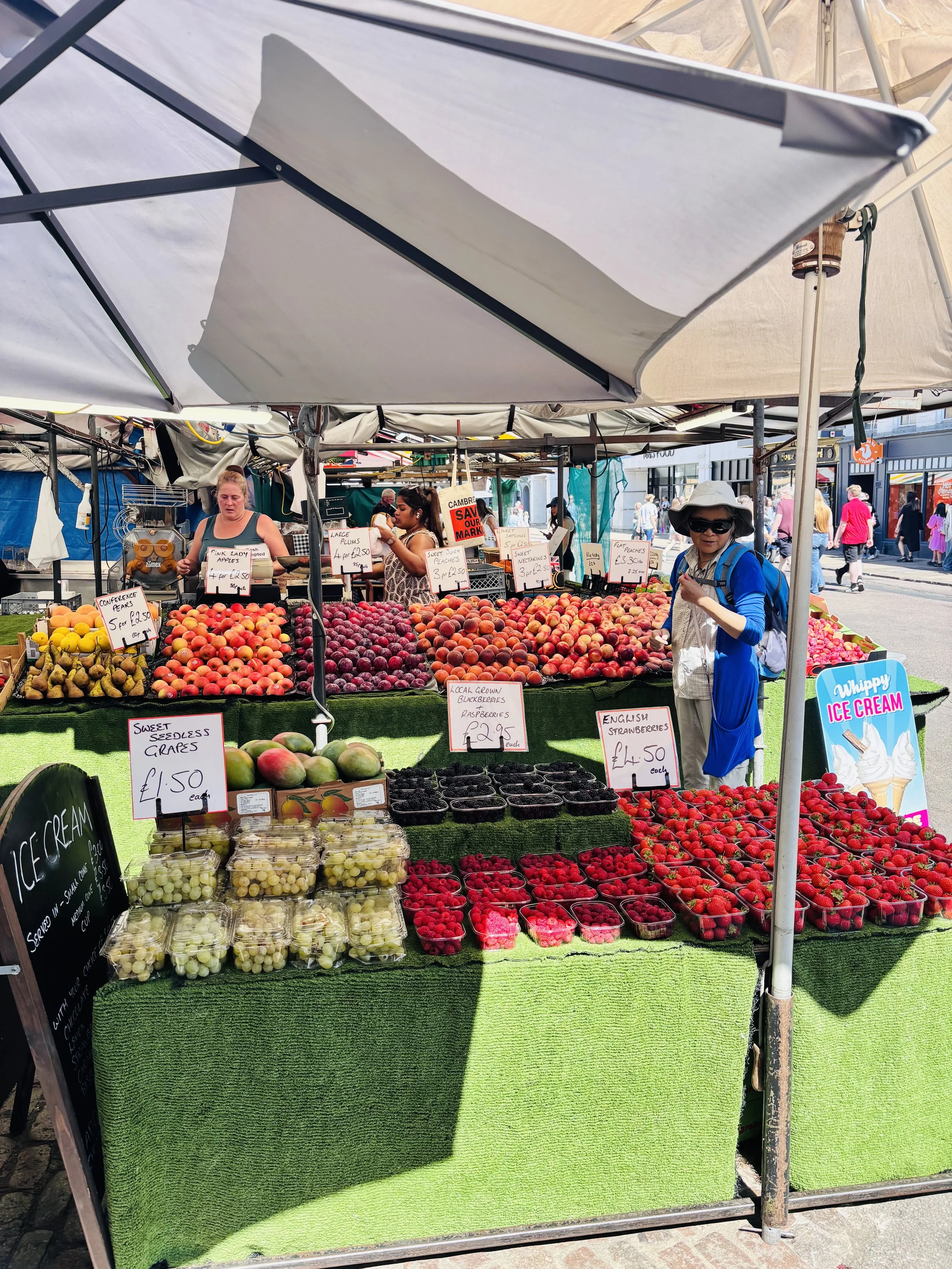
Cambridge offers far more than academic prestige. It is a city of stunning architecture, riverside charm, hidden cafés, historic churches and centuries of stories waiting to be discovered. Whether you’re admiring the craftsmanship of King’s College Chapel, quietly reflecting in the Round Church, drifting along the River Cam or simply wandering the market stalls and college streets, Cambridge has a way of drawing you in. Just an hour by train from London’s airports and central stations, it makes for an easy day trip.
But be warned. You may arrive expecting to visit a university town. You may leave wondering when you’ll be back.

Discovering Your Own Cambridge
Punting along the River Cam, Cambridge
Cambridge has a habit of surprising people. Many arrive expecting a university town and leave having discovered something far more interesting. Yes, the colleges are beautiful. Yes, the history is remarkable. But Cambridge is more than its academic reputation. It’s a place best experienced slowly.
A city where some of the most memorable moments happen not behind college gates, but while wandering riverside paths, lingering over coffee, or stumbling across a centuries-old church tucked between busy streets.
When to Visit
Spring brings colour to the college gardens and riverside walks. Summer fills the River Cam with punters drifting beneath the bridges while visitors spill out onto café terraces. Autumn paints the city’s trees in rich shades of gold and copper, while winter brings a quieter atmosphere that allows the architecture and history to take centre stage. Each season offers something different.
The real question isn’t when to visit Cambridge, but what kind of experience you’re seeking.
What to Wear
Cambridge is a city best explored on foot. Comfortable walking shoes are essential because you’ll likely cover far more ground than expected as you wander between colleges, churches, market stalls and riverside paths.
Like much of England, the weather can be unpredictable. Layers and a light waterproof jacket will serve you well, regardless of the season. And don’t forget your camera. Around almost every corner is another building, bridge or hidden courtyard worthy of a photograph.
Where to Stay
If you’re planning more than a day trip, consider staying close enough to walk into the historic centre while still experiencing the quieter side of Cambridge. One of the joys of staying overnight is seeing the city before the day-trippers arrive and after they leave. The early morning light across the colleges, the peaceful riverside walks and the quieter streets offer an entirely different perspective from the bustling daytime crowds.
We ended up with an extra day between flights before departing from Luton Airport, so we stayed close to the airport and used the direct train service to Cambridge for an easy day trip.
Getting Around
The best way to experience Cambridge is simply to walk. The historic centre is compact and wonderfully pedestrian-friendly. Many of the streets invite wandering rather than rushing, and you’ll often discover something unexpected when you allow yourself to take a different turn.
While cycling is synonymous with Cambridge, visitors can comfortably explore the major sights on foot. And if your feet need a rest, there is always the option of seeing the city from the water aboard one of the many punts that glide along the River Cam or popping in for a relaxing break at Fitzbillies for a Chelsea Bun.
Don’t Miss
Of course, there are certain experiences that deserve a place on every Cambridge itinerary. Standing beneath the magnificent fan-vaulted ceiling of King’s College Chapel. Watching the colourful stained-glass windows illuminate the stone interior. Strolling beside the River Cam as punts drift quietly past. Admiring the Mathematical Bridge and the historic colleges that line the river. Indulging in a famous Chelsea Bun from Fitzbillies. Wandering through Cambridge Market and browsing the university merchandise stores that seem to occupy every corner.
But don’t rush between them.
Some of my favourite memories came from simply wandering Trinity Street, admiring the historic facades, discovering hidden churchyards and finding connections between Cambridge’s grand history and my own experiences growing up on a farm half a world away.
Staying Safe
Cambridge is one of the easiest cities in England to explore independently. The city centre is busy, walkable and generally feels very welcoming for solo travelers and small groups alike.
As with any popular destination, keep an eye on your belongings in crowded areas such as the market, train station and busy tourist attractions. Beyond that, Cambridge is the kind of place where you can comfortably spend hours wandering at your own pace.
Something a Little Different
Most visitors come to Cambridge focused on the famous colleges. Instead, I would encourage you to spend time in its churches. King’s College Chapel may be the headline act, but don’t overlook places such as the Round Church or St Michael’s Church.
These quieter spaces offer a different perspective on Cambridge. Away from the crowds, they provide moments of reflection, beautiful architecture and a sense of continuity with the generations who have walked these same streets before us.
And while everyone photographs the grand college buildings, keep an eye out for the smaller details—the carved stonework, hidden courtyards, ancient doorways and unexpected views across the river. Those are often the moments that stay with you longest. Because the real magic of Cambridge isn’t found on a checklist. It’s found in allowing yourself the time and space to discover your own Cambridge.

Ensure that you stay connected while travelling with Simify’s eSims - Find out more now
This page contains affiliate links, meaning we may earn a commission at no extra cost to you - thank you for supporting our work!
